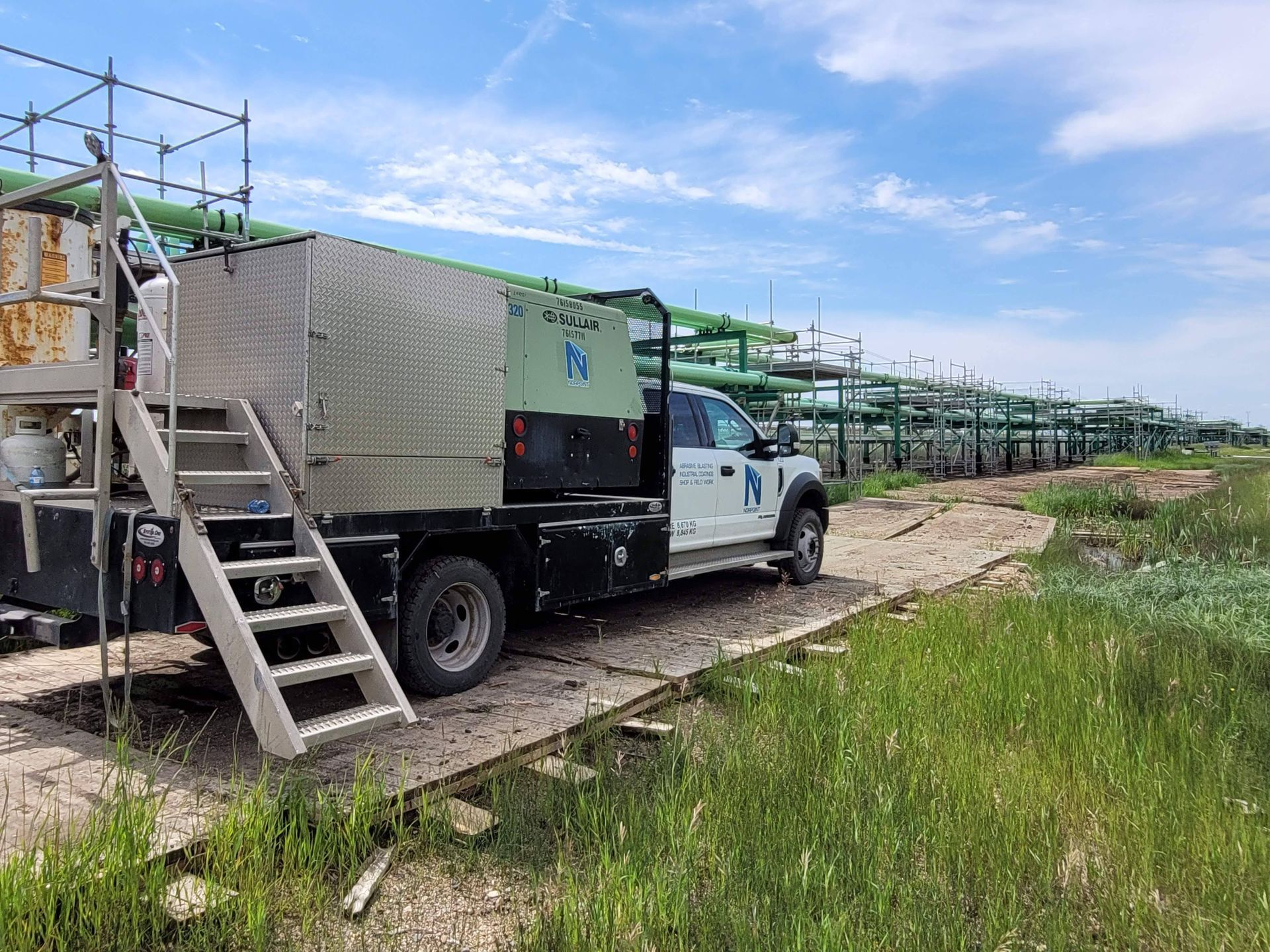
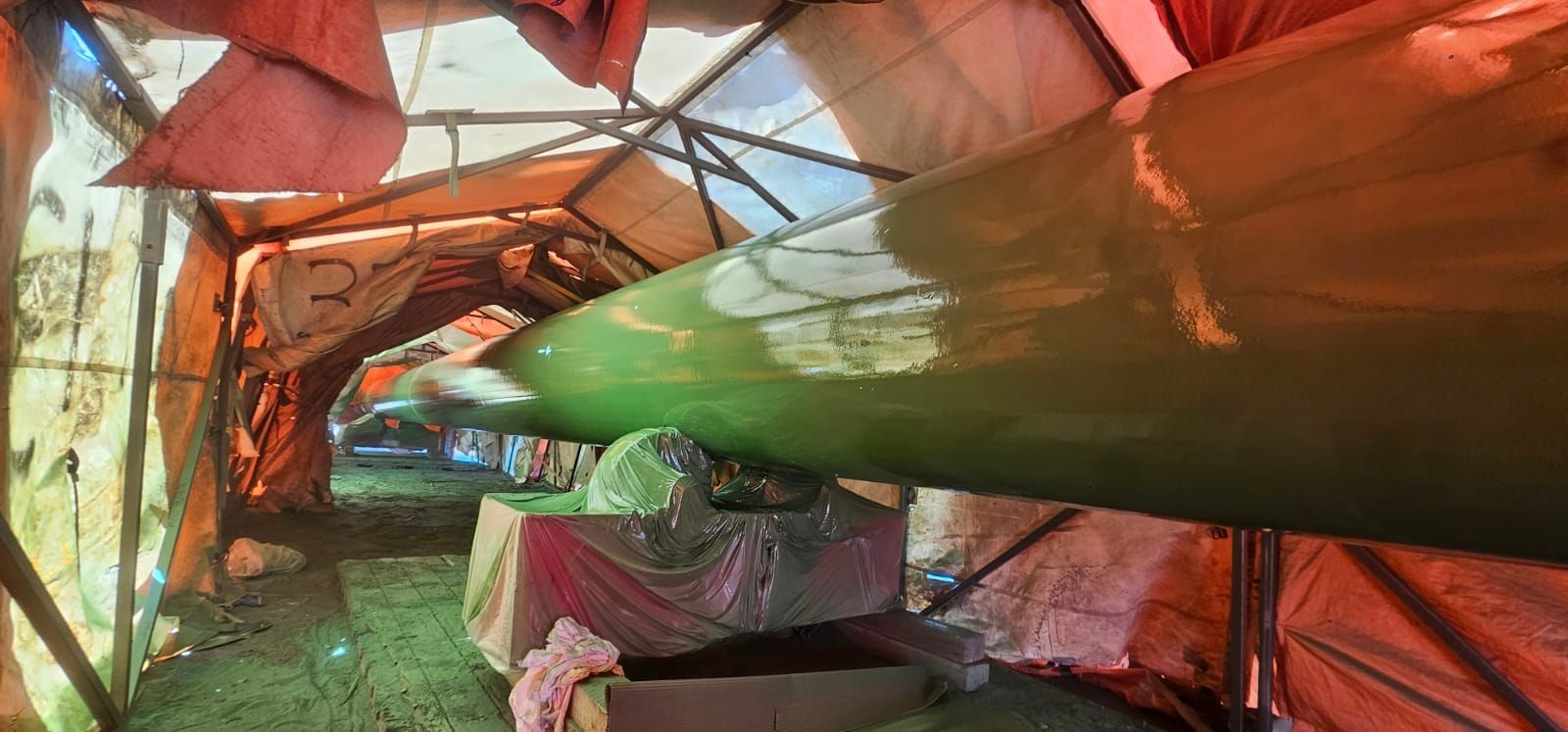
Spring Is the Smartest Time to Plan Organic Coating Work
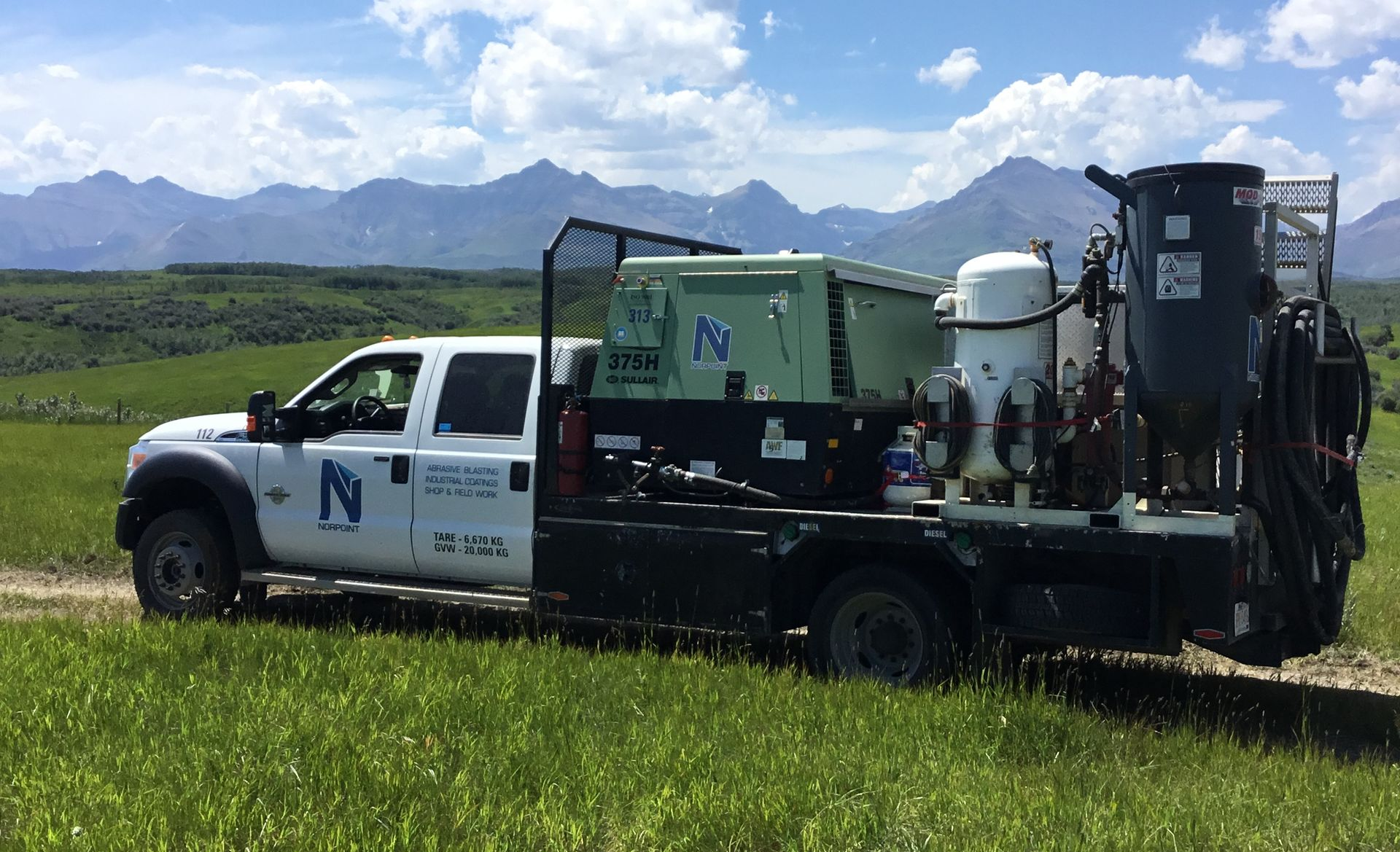
Spring is one of the most practical seasons to plan coating work, especially when working with epoxy-urethane systems in changing temperatures.
Understanding how epoxy coatings behave in cold weather can make the difference between a project that runs smoothly and one that becomes more complex than expected.
Why spring works in your favor
In spring, ambient and steel temperatures begin to cycle back above freezing.
This matters because epoxy temperature requirements directly impact how well a system cures and how reliably it can be recoated.
Spring creates a more predictable window where:
- Epoxy primers can cure properly
- Urethane topcoats can be applied within the correct interval
- Crews can work with conditions instead of against them
How epoxy coatings behave in cold weather
Modern surface-tolerant epoxies are designed for low-temperature application, with some capable of curing in temperatures well below freezing.
When temperatures drop outside the ideal curing range, the coating does not necessarily fail.
Instead, it slows down or pauses, then continues curing as temperatures rise again.
This makes cold weather epoxy coating possible - but it still depends on having the right conditions to complete the full system.
Why temperature matters for the full coating system
The real challenge is not just applying the primer.
It’s ensuring the entire system - including the urethane topcoat - can be completed within the proper temperature window.
Urethanes have defined overcoating intervals that depend on temperature.
As conditions improve in spring, those windows become easier to manage.
This is where proper coating project planning becomes critical.
The risk of late-season coating work
Pushing coating work into late fall often means working within tighter temperature constraints.
When both ambient and substrate temperatures remain near or below freezing, it becomes difficult to meet the minimum requirements needed for topcoat application.
At that point, crews often rely on:
- Portable heating & hoarding
- Additional equipment
- More complex job setups
All of which increases cost and risk.
A better question to ask about coating conditions
Most people ask:
“How cold can we go and still apply coating?”
A more useful question is:
“When is the best time to start coating work?”
Planning for spring conditions allows projects to move forward with more predictability, fewer complications, and better long-term performance.