The Hidden Operational Advantage of Field Familiarity
How experienced crews reduce operational friction in complex industrial maintenance environments.
In industrial maintenance environments, execution quality is often associated with technical capability - coating systems, equipment, manpower, or production timelines.
Those things matter.
In active industrial environments, however, operational performance is often shaped by something less visible: how effectively crews can navigate the environment surrounding the work itself.
Operational disruption rarely comes from one major failure. More often, it begins with small inefficiencies that compound over time:
- slower coordination between teams
- delayed adjustments to field conditions
- access or sequencing issues
- communication gaps during active operations
- crews still adapting to the environment while work is already underway
In maintenance environments, those small inefficiencies can quickly create larger operational impacts.
That’s why field familiarity becomes such an important part of successful industrial maintenance execution.
Not simply because crews have completed similar work before, but because experienced field teams understand how to operate efficiently within environments where priorities, constraints, and operating conditions can change quickly.
Where Experience Impacts Performance
Industrial maintenance work rarely unfolds under perfectly controlled conditions.
Schedules evolve. Shutdown windows narrow. Multiple scopes overlap. Production priorities shift. Weather conditions can change quickly in the field, affecting access, containment, visibility, or sequencing.
Under those conditions, execution quality becomes highly visible.
In maintenance environments, the technical scope is only part of the challenge. The surrounding operational realities often determine how efficiently the work can actually move.
Crews unfamiliar with these environments may still be technically capable, but successful maintenance execution often demands something more:
- adaptability under changing conditions
- Understanding the permitting process
- efficient coordination with operations and other trades
- awareness of how operational constraints affect workflow
- sound decision-making without creating unnecessary disruption around the work itself
That type of judgment develops through experience working in active maintenance environments where priorities, access requirements, and operating conditions are constantly evolving.
Work that initially appeared straightforward can become slower, more disruptive, and more difficult to coordinate than originally planned when crews are still learning how the environment around them operates.
What Field Familiarity Actually Means
Field familiarity is not about simply knowing one specific site.
It’s about understanding how complex industrial maintenance environments function and how work needs to adapt within them.
Experienced crews tend to recognize operational patterns faster, coordinate more effectively alongside operations teams and contractors, and respond more confidently when conditions change.
That experience often supports:
- smoother workflow coordination
- stronger communication between teams
- reduced downtime caused by avoidable friction
- more consistent execution under pressure
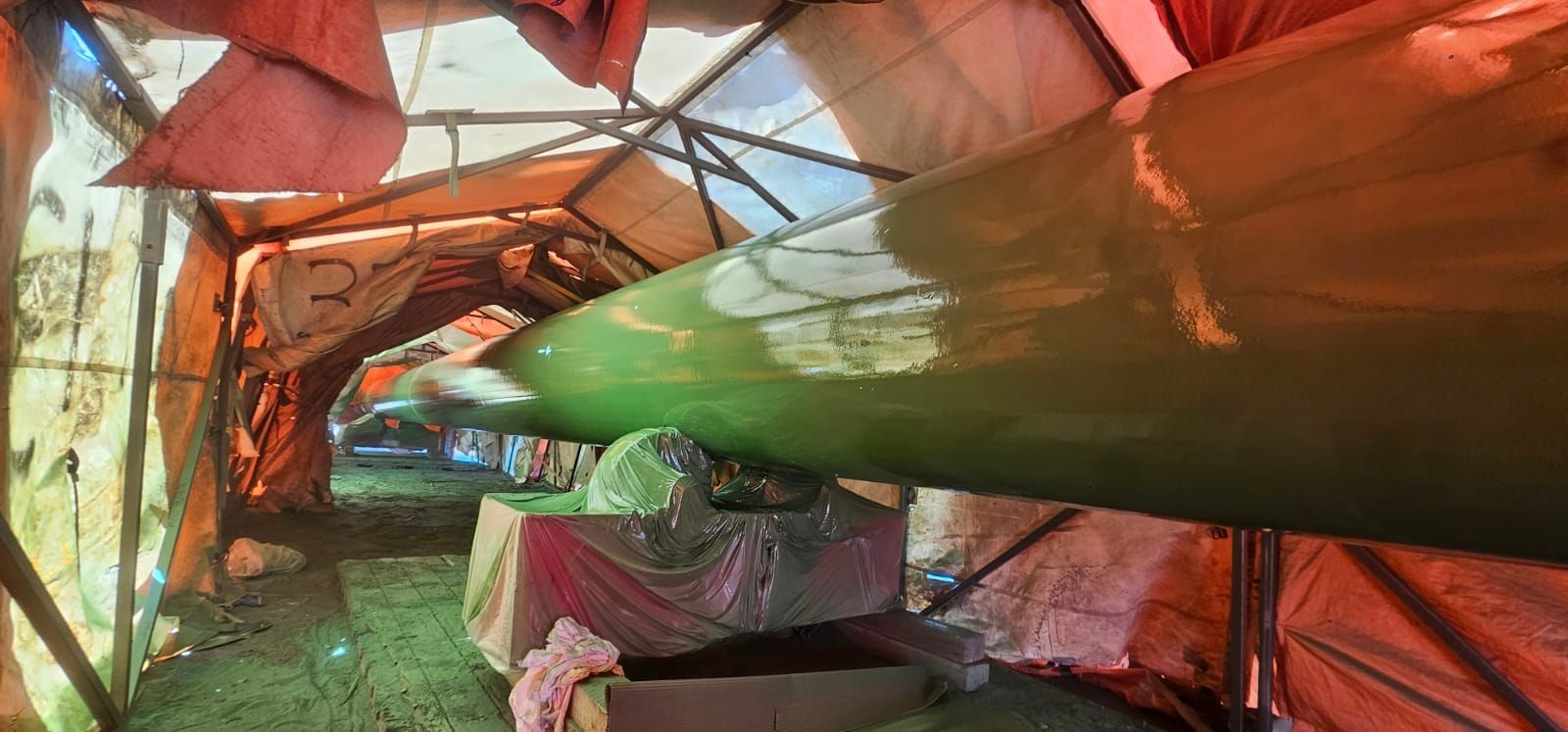
In industrial coating and abrasive blasting work, those advantages become particularly valuable because environmental exposure, containment requirements, access limitations, operational schedules, and weather all influence how work gets executed.
Experienced crews understand that successful execution depends on more than applying a coating system correctly.
How Norpoint’s Experience Changes Execution Quality
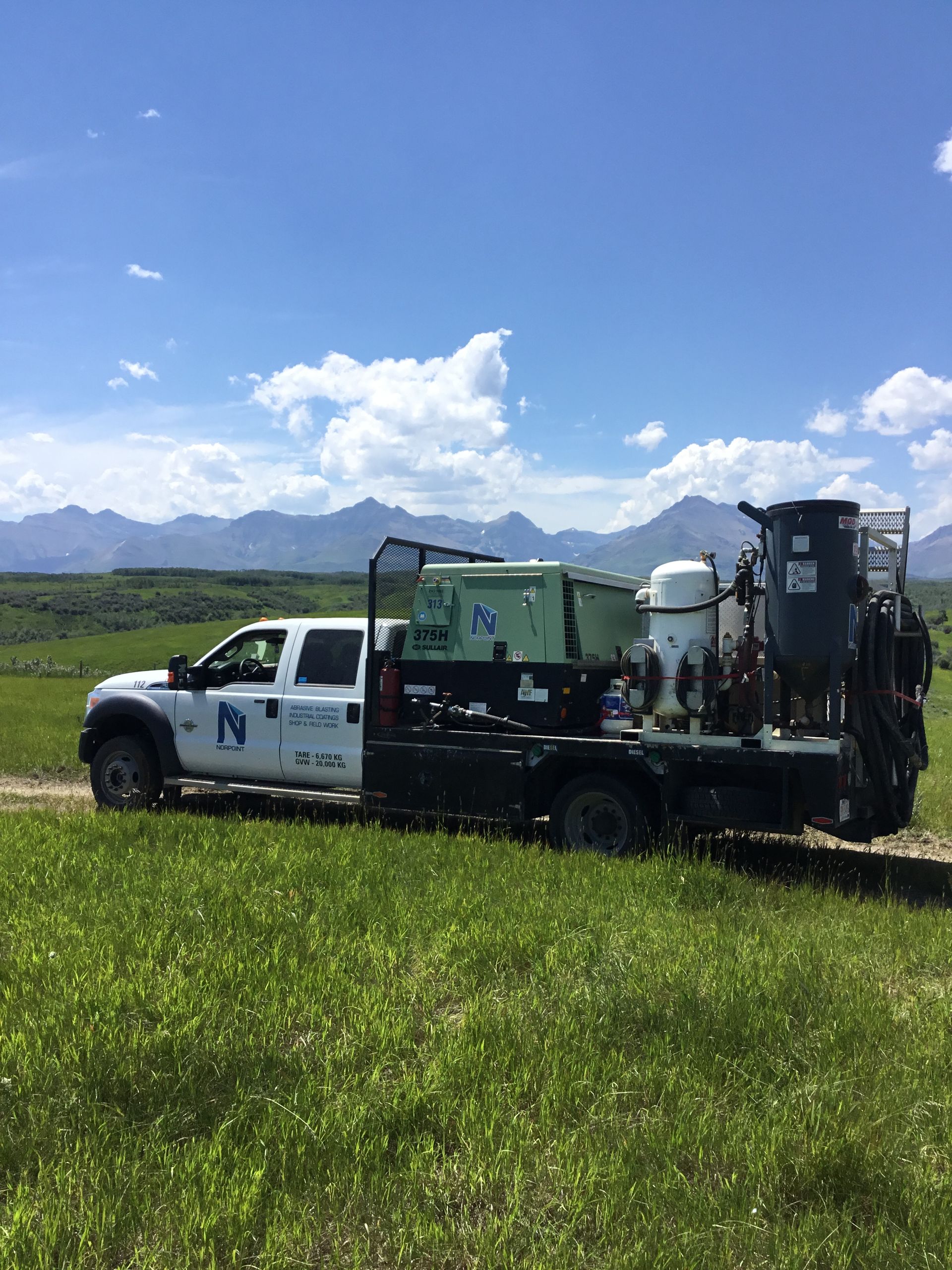
Norpoint’s operating model has been shaped heavily around field execution in active industrial maintenance environments across Western Canada.
That experience extends beyond coating application alone.
Years of field-based maintenance execution create a different level of operational awareness - shaping how crews approach planning, mobilization, communication, and coordination long before work begins.
Repeated exposure to active operating environments, shutdown coordination, remote work locations, weather variability, containment requirements, and complex coating projects creates practical insight that is difficult to develop any other way.
Experience often becomes most valuable when field realities shift unexpectedly.
Access requirements change. Weather affects containment or visibility. Operational priorities evolve while work is underway. Multiple contractors begin competing for the same work areas.
Experienced crews are often better positioned to respond efficiently without creating unnecessary disruption around the work itself.
That experience helps support:
- smoother coordination alongside active operations
- faster response to changing field conditions
- reduced operational friction during execution
- more efficient workflow management in dynamic environments
- stronger communication between field crews and operations teams
- more consistent execution across repeat maintenance work
Those advantages often become most visible when conditions are changing quickly and execution pressure increases.
Industrial Maintenance Is About More Than Completing a Scope
Technical capability remains essential.
In complex maintenance environments, however, execution quality is often influenced by how effectively crews can navigate the realities surrounding the work.
Coordination, operational awareness, and field familiarity all play an important role in how efficiently work ultimately moves in the field.
That’s the hidden operational advantage of field familiarity.
Not simply knowing a site, but understanding how to operate effectively inside complex maintenance environments where conditions shift quickly, operations continue moving, and successful execution depends on more than the technical scope itself.
In industrial coating work, that operational familiarity can become a meaningful advantage over time - helping reduce friction, support smoother coordination, and improve consistency across complex maintenance environments.
Frequently Asked Questions
Why are active industrial environments more complex to work in?
Active industrial environments involve changing operational priorities, evolving schedules, multiple contractors, access limitations, weather impacts, and ongoing production requirements. Maintenance work often needs to adapt around those realities while maintaining safe and efficient execution.
How do experienced crews improve industrial maintenance execution?
Experienced crews are often better equipped to coordinate alongside operations teams, respond to changing field conditions, and navigate complex maintenance environments with less disruption. That experience can help improve workflow continuity, communication, and consistency during execution.
Why does coordination matter in industrial coating work?
Industrial coating and abrasive blasting work is often influenced by environmental conditions, containment requirements, operational schedules, safety systems, and access constraints. Strong coordination helps work progress more efficiently while reducing unnecessary operational friction.
Is field familiarity the same as site familiarity?
No. Field familiarity refers more broadly to operational experience within complex industrial maintenance environments. It reflects an understanding of how active industrial environments function and how crews operate effectively within changing field conditions and operational constraints.